A therapist who knows this
from the inside.
I'm a family therapist, educator, and somatic practitioner working with families navigating ADHD, autism, and big feelings — in person in the Kootenays and virtually throughout BC and beyond.
Book a Free Call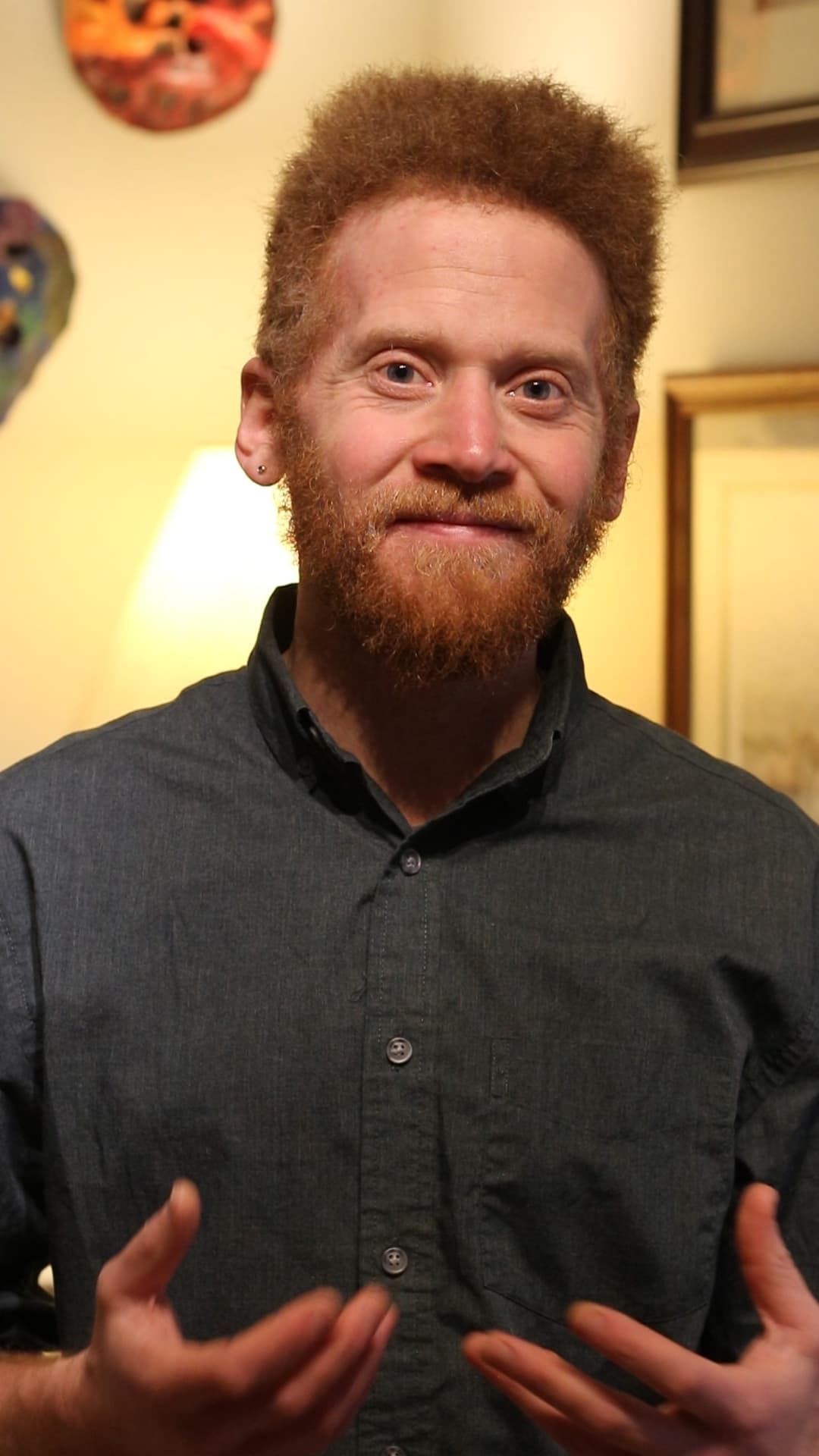
I received my own ADHD diagnosis at 38. That changed everything.
Seventeen years of wondering what was making certain things so hard — and then finally, a framework that fit. That experience of relief, grief, and rebuilding your understanding of yourself is one I know personally. It shapes how I work with every family who walks in carrying the same questions.
I've been part of the Nelson and Kootenay community for over 13 years — as a therapist, a parent, a Waldorf school community member, and a neighbour. This isn't a franchise. It's a practice built on doing this work well with the people in front of me.
My background is unusual in this space. I trained first as an early childhood educator, then as a Waldorf teacher, then as a somatic therapist and counsellor. I've worked with children and families in classrooms, in homes, in therapeutic settings, and in community contexts. That breadth is deliberate — the work requires seeing the whole picture.
A multidisciplinary foundation built over two decades.
Clinical training
Relational Somatic Therapy Certificate (Opening to Grace with Mariah Moser) · Counselling Skills Diploma (Orca Institute) · Bachelor of Child and Youth Care with Indigenous Specialization (University of Victoria) · MSW Candidate, Clinical Social Work Practice (University of Calgary)
Education background
Waldorf Teacher Training · Early Childhood Care and Education (ECCE) · 1-on-1 specialist working with children with unique needs and abilities · 13+ years in the Kootenay school community
Contemplative practice
Over 20 years of experience in meditation, contemplative practice, and the performing arts — which directly informs the quality of presence I bring to the work.
Lived experience
Parent · ADHD diagnosis at 38 · Member of the School of Spiritual Science within the anthroposophical movement · Long-standing Kootenay community member
What it actually feels like to work with me.
People often describe feeling like my presence helps them slow down and come to rest in themselves. Sessions move between reflection and depth — from sharing a laugh one moment, to dropping into something real the next. The goal is never to feel like therapy feels in the movies.
We start where you are
No agenda, no script. The first sessions are about understanding your situation, your family, and what you're actually looking for — not fitting you into a predetermined program.
We work at the right depth
Some sessions are practical — building skills, understanding patterns, solving problems. Others go deeper. We follow what's actually needed rather than staying at the surface or going deeper than is useful.
We keep it real
I bring my full self to sessions — not a clinical persona. There's room for humour, directness, and genuine connection alongside the serious work. The therapeutic container should feel like a living space, not a procedure.
We build something that lasts
The goal is never dependency on therapy. It's building capacity — yours, and your family's — so that what we work on here translates into your actual life.
What families and individuals come to me for.
ADHD & autism family support
Attachment-based, nervous system-informed support for families navigating neurodiverse children and caregivers.
Somatic therapy for adults
For people who've done the talking and still feel stuck. Working with the body, the nervous system, and the patterns that live there.
Parental burnout & reactivity
Building capacity so you can show up the way you want to — even when your kids are at their hardest.
Late ADHD diagnosis
Integrating a new understanding of yourself, healing the shame, and building genuine regulation capacity.
Attachment & relational patterns
The patterns that keep showing up regardless of context — in relationships, in parenting, in how you relate to yourself.
School consultation
Nervous system-informed professional development and consultation for educators and schools.
Less struggle,
more laughter.
If working together feels like it might be a fit, the first step is a free 30-minute call. No pressure, no commitment — just a conversation.
Book Your Free CallNo diagnosis required to reach out.