You can't help kids regulate
if the adults in the room
feel overwhelmed.
Nervous system-informed consultation and professional development for educators who want to understand what's actually driving challenging behaviour — and what to do about it.
Today's classrooms are more complex than they've ever been.
Teachers are navigating more diverse needs, more dysregulated nervous systems, and more pressure than ever — often with less support. The old toolkit of behaviour charts, consequences, and reward systems still has its place, but it doesn't reach the students who need the most help.
When a child has a meltdown, shuts down, can't sit still, or keeps disrupting — that's not a discipline problem. That's a nervous system communicating something. When educators know how to read those signals and respond to them, everything changes. Not just for that child, but for the whole room.
This work isn't about adding more to your plate. It's about understanding what's already happening — and responding in ways that actually work.
Behaviour is communication. Every time.
Meltdowns aren't manipulation. Avoidance isn't laziness. Defiance isn't disrespect. These are nervous systems doing what nervous systems do — protecting, signalling, surviving.
When you understand the signal underneath the behaviour, you stop fighting the behaviour and start working with the system. That shift changes how you feel at the end of the day — and what's possible for your students.
We don't start with behaviour. We start with the nervous system underneath it.
What classroom behaviour is actually telling you.
Meltdowns
Nervous system overwhelm — not manipulation
Avoidance
Protection mode — not laziness
Disorganization
Executive function struggles — not carelessness
Defiance
Dysregulation — not disrespect
Inattention
Survival brain activation — not wilful distraction
Shutdown
Nervous system collapse — not indifference
Support that fits your school's actual needs.
There's no fixed program here. Every school has a different culture, different challenges, and different starting points. We design the support around you.
Interactive Workshops & Training
90-minute sessions, half-day, full-day, or multi-session series. Practical, engaging, grounded in real classroom moments. Staff leave with concrete tools they can use Monday morning — and a deeper understanding of why certain approaches work and others don't.
Covers: nervous system science made simple, co-regulation strategies, attachment-informed responses to challenging behaviour, and building emotional sustainability for educators.
Individual & Team Consultation
One-on-one or small group sessions, ongoing or project-based. Targeted support for your most challenging situations — specific students, classroom dynamics, family relationships, or team cohesion. Personalized action plans that fit your unique context.
School-Wide Approach Design
For schools ready to build something lasting. A collaborative design process — assessing current practices, developing school-wide approaches grounded in nervous system science, integrating with your existing values, and providing training and implementation support. The goal is something that becomes part of your school culture, not just an add-on program.
Built for educators who want to lead with care.
K-12 teachers looking for practical, relationship-based classroom strategies
Administrators wanting to support staff while improving student outcomes
Resource and inclusion teams looking for trauma-informed approaches
School mental health staff needing tools that complement therapeutic work
Early learning and student support services building foundational skills
Any educator who's tired of the same approaches producing the same results
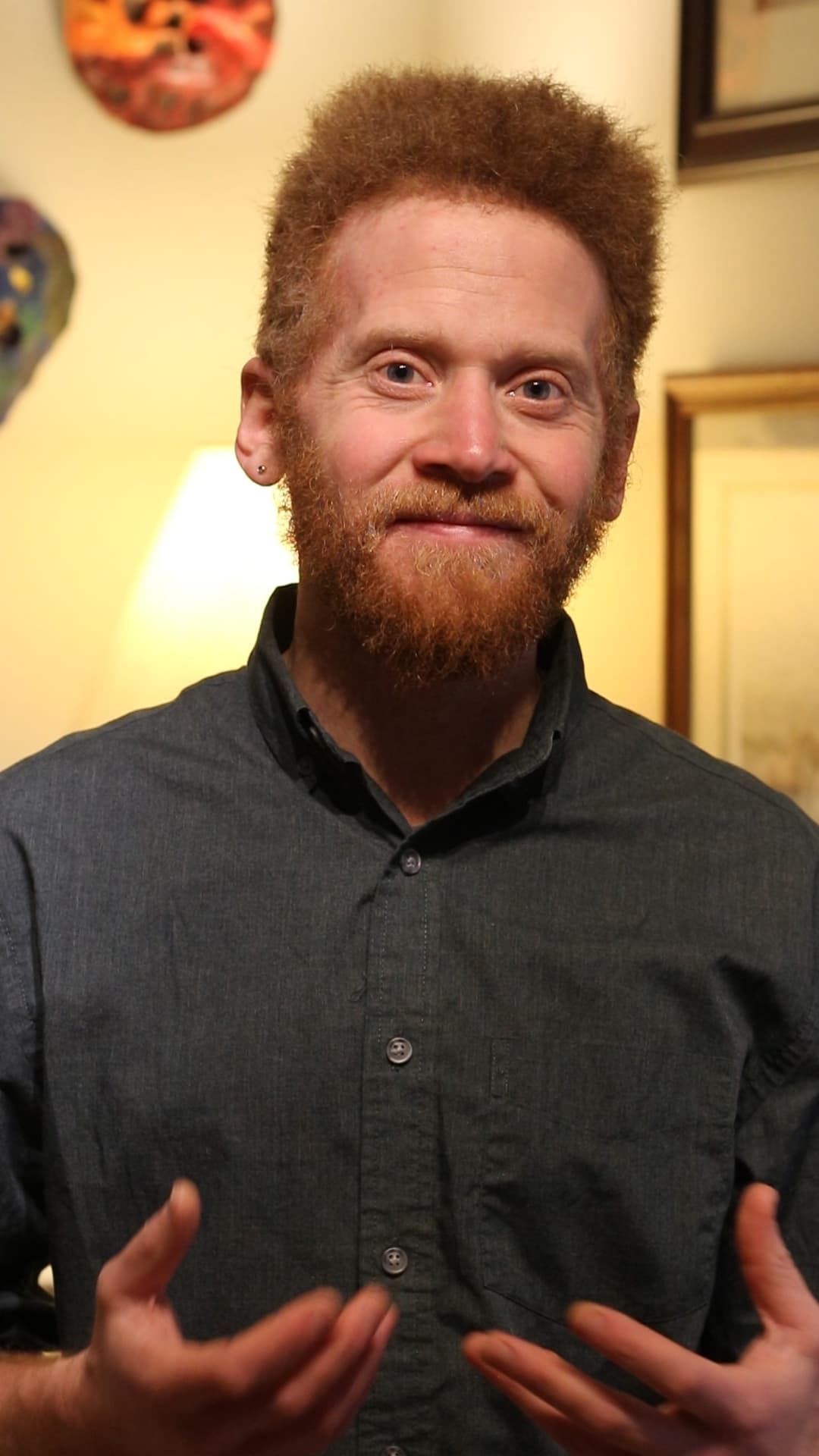
Two decades in classrooms, homes, and therapeutic settings.
I bring a background that's unusual in this space — trained as a Waldorf educator, an early childhood specialist, a somatic therapist, and a counsellor. I understand schools from the inside, and I understand what teachers are actually up against.
My approach draws on attachment theory, polyvagal science, and somatic therapy — translated into practical strategies that work in real classroom moments, not just in theory.
Based in Nelson, BC. Available in person for schools in Nelson, Castlegar, Trail, Rossland, and the broader Kootenays — and virtually for schools anywhere in BC and beyond.
Things schools wonder before reaching out.
"We've already done trauma-informed training. How is this different?"
Most trauma-informed training gives educators a framework for understanding — which is valuable. This work goes further: it builds your own nervous system capacity as an educator, gives you co-regulation skills you can use in the moment, and helps you design environments where regulation happens before conflict. It's less about knowing the theory and more about actually feeling different in difficult moments.
"Our staff is already burned out. We don't have capacity for more PD."
That's exactly why this matters. Educator burnout is a nervous system problem, not a willpower problem. This work isn't about doing more — it's about understanding what's driving the exhaustion and building capacity in a sustainable way. The sessions are designed to be energizing, not draining.
"We only have students with ADHD. Does this apply broadly?"
Yes — completely. Nervous system principles and attachment science apply to every student in your building. When adults understand behaviour through this lens, every child benefits. ADHD is often the entry point, but the shift in how educators show up changes the whole classroom culture.
Let's talk about
what your school actually needs.
Book a free 30-minute consultation. We'll explore your biggest challenges, discuss what nervous system-informed support might look like in your context, and figure out whether working together makes sense.
Book a Free ConsultationNo pressure. No commitment. Just a conversation.